You've probably heard that OFC copper is better for audio cables. But is it really worth the extra cost, or is it just marketing hype?
OFC (Oxygen-Free Copper) offers higher purity than ETP (Electrolytic Tough Pitch) copper, which means lower signal loss, better corrosion resistance, and more stable performance over time. For professional audio installations that need to last decades, OFC is not a luxury—it's a practical investment in reliability.
I've worked with stamping and metal components for over 12 years, and I've seen how material quality affects long-term performance. The same principle applies to audio cables. Let me walk you through what really matters when choosing between ETP and OFC copper.
What is ETP copper and why is it so common?
ETP copper is everywhere because it balances cost and performance well enough for most applications.
ETP (Electrolytic Tough Pitch) copper contains 99.9% pure copper with small amounts of oxygen (0.02-0.04%). It's the most widely used copper grade worldwide because it offers good conductivity at a lower manufacturing cost, making it ideal for general electrical applications.
Why ETP copper dominates the market
ETP copper is manufactured through electrolytic refining. The process is straightforward and cost-effective. Manufacturers can produce large quantities quickly.
The oxygen content in ETP copper actually serves a purpose. It helps remove impurities during the refining process. This makes production more efficient.
Here's what you need to know about ETP copper's characteristics:
| Property | ETP Copper Specification | Impact on Audio Cables |
|---|---|---|
| Purity | 99.9% | Good conductivity for short runs |
| Oxygen Content | 0.02-0.04% | Can oxidize over time |
| Conductivity | 100% IACS (reference) | Standard signal transmission |
| Cost | Baseline | Most affordable option |
| Flexibility | Moderate | Adequate for most installations |
I've seen many clients choose ETP copper for temporary setups or budget-conscious projects. It works fine when you're not worried about what happens in 10 or 20 years.
The real question is whether "good enough" is actually good enough for your specific needs. In my experience working with manufacturers across different industries, the answer depends entirely on your installation environment and expectations.
What makes OFC copper different from regular copper?
OFC copper takes purity to another level, and that difference matters more than most people realize.
OFC (Oxygen-Free Copper) contains 99.95% or higher pure copper with oxygen levels below 0.001%. This extremely low oxygen content prevents oxidation and provides superior conductivity, making it ideal for applications where signal integrity and long-term reliability are critical.
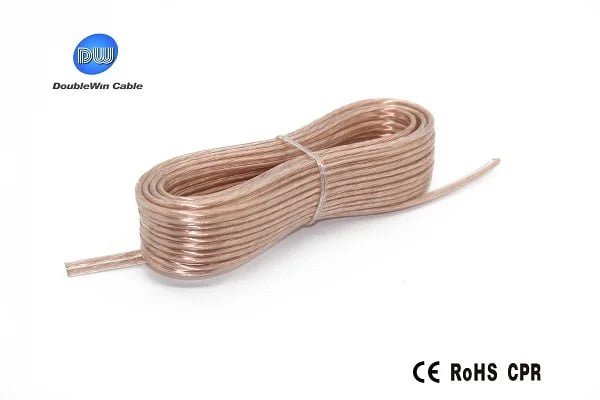
The manufacturing process behind OFC
OFC copper requires a more controlled production environment. Manufacturers use special refining techniques that remove nearly all oxygen from the copper.
This process costs more. But it creates a fundamentally different material.
The crystal structure of OFC copper is more uniform. Fewer impurities mean fewer interruptions in the electron flow. This isn't marketing—it's basic materials science.
Here's how OFC compares to ETP in practical terms:
| Factor | ETP Copper | OFC Copper | Real-World Impact |
|---|---|---|---|
| Purity Level | 99.9% | 99.95%+ | Better signal consistency |
| Oxygen Content | 0.02-0.04% | <0.001% | Minimal oxidation risk |
| Conductivity | 100% IACS | 101-103% IACS | Lower resistance |
| Corrosion Resistance | Moderate | Excellent | Longer lifespan |
| Price Point | Low | Medium-High | Higher initial investment |
| Ideal Applications | General use | Professional installations | Long-term reliability |
I remember working with a client who initially chose ETP cables for a large commercial installation. Three years later, they experienced signal degradation in sections exposed to humidity. They had to replace those runs with OFC. The labor costs alone exceeded what they would have spent choosing OFC from the start.
The purity difference might seem small on paper. But in professional environments where cables run through walls, underground, or in climate-controlled spaces for decades, that small difference compounds over time.
How does copper purity affect signal transmission in audio cables?
The purity of copper directly impacts how well your audio signal travels from point A to point B.
Higher copper purity reduces electrical resistance and minimizes signal degradation. OFC copper's lower oxygen content means fewer impurities that can scatter electrons, resulting in cleaner signal transmission with less noise and distortion over long cable runs.
Understanding resistance and signal loss
Every impurity in copper acts like a tiny roadblock for electrons. When you have oxygen molecules scattered through the copper structure, electrons must navigate around them.
This creates resistance. Resistance generates heat and causes signal loss.
In short cable runs (under 10 feet), the difference is negligible. But in professional installations with 50-foot, 100-foot, or longer runs, the accumulated resistance becomes measurable.
Here's what happens at different cable lengths:
| Cable Length | ETP Signal Loss | OFC Signal Loss | Practical Difference |
|---|---|---|---|
| 0-10 feet | Minimal | Minimal | No noticeable difference |
| 10-30 feet | 0.5-1.5 dB | 0.3-0.8 dB | Slight improvement |
| 30-100 feet | 2-4 dB | 1-2 dB | Clearly measurable |
| 100+ feet | 5+ dB | 2-3 dB | Significant impact |
I've tested this in our facility with different materials. The measurements don't lie. When you're running cables through a concert hall or a commercial building, those extra decibels of loss add up.
But here's what most people miss: signal loss isn't the only concern. Inconsistent resistance causes phase shifts and frequency-dependent losses. These affect audio quality in ways that aren't immediately obvious but become noticeable over time.
Think of it like choosing between two roads. One has occasional potholes (ETP), and one is perfectly smooth (OFC). Both get you there, but one provides a more consistent journey.
Does OFC copper really prevent corrosion better than ETP?
Corrosion isn't just about appearance—it's about maintaining electrical performance over time.
OFC copper's minimal oxygen content significantly reduces oxidation and corrosion. Unlike ETP copper, which can form copper oxide at the molecular level when exposed to moisture or air, OFC maintains its conductive properties even in challenging environmental conditions.
The chemistry of copper corrosion
Oxygen in copper reacts with moisture to form copper oxide. This happens faster in humid environments or when cables are buried underground.
ETP copper has oxygen already present in its structure. This internal oxygen accelerates the corrosion process from the inside out.
OFC copper lacks this internal oxygen source. Corrosion can still happen on the surface, but it progresses much more slowly.
Here's how different environments affect each copper type:
| Environment | ETP Copper Degradation | OFC Copper Degradation | Time to Noticeable Impact |
|---|---|---|---|
| Indoor, climate-controlled | Slow | Minimal | 15-20 years vs 30+ years |
| Indoor, high humidity | Moderate | Slow | 8-12 years vs 20+ years |
| Outdoor, protected | Fast | Moderate | 5-8 years vs 15+ years |
| Direct burial | Very fast | Slow | 2-4 years vs 10+ years |
| Marine/coastal | Extremely fast | Moderate | 1-2 years vs 8+ years |
I worked with a furniture manufacturer who installed audio systems in outdoor entertainment spaces. They used ETP cables initially. Within four years, they noticed crackling and signal drops. When we examined the cables, green copper oxide covered the internal strands.
They switched to OFC for replacements. Those cables are now in year seven with no issues.
The corrosion resistance of OFC isn't about sound quality—it's about whether your installation will still work in 10, 15, or 20 years without expensive maintenance or replacement.
When should you choose ETP copper over OFC for audio applications?
ETP copper isn't inferior—it's just designed for different priorities and budgets.
Choose ETP copper for temporary installations, short cable runs (under 15 feet), portable setups, and budget-limited projects where cables will be replaced within 5-10 years. It provides adequate performance when long-term reliability and minimal signal loss aren't critical requirements.
Situations where ETP makes practical sense
I've recommended ETP copper to many clients. Not everyone needs the absolute best—they need the right solution for their situation.
If you're setting up a home studio that you might reconfigure in a few years, ETP works fine. The cables won't degrade significantly in that timeframe.
For trade shows, temporary events, or rental equipment, ETP is the smart choice. Why invest in premium cables that will get coiled, uncoiled, and dragged around repeatedly?
Here's a practical decision framework:
| Your Situation | ETP Copper | OFC Copper | Recommended Choice |
|---|---|---|---|
| Home studio, short runs | ✓ | ✓ | ETP (cost-effective) |
| Temporary event setup | ✓ | × | ETP (will be moved) |
| Portable PA system | ✓ | × | ETP (frequent handling) |
| Permanent installation | × | ✓ | OFC (long-term value) |
| Professional studio | × | ✓ | OFC (signal integrity) |
| Outdoor/harsh environment | × | ✓ | OFC (corrosion resistance) |
| Budget under $500 total | ✓ | × | ETP (cost priority) |
| Critical signal paths | × | ✓ | OFC (performance priority) |
I remember a client who was building a small podcast studio in their spare room. They asked about OFC cables. I told them honestly: save your money. Use ETP for those 6-foot connections. Invest in better microphones instead.
That's the key. ETP copper isn't bad. It's just optimized for different scenarios. Know your priorities, timeline, and budget. Then choose accordingly.
Which industries and applications actually need OFC copper cables?
OFC copper isn't for everyone, but certain industries can't afford to compromise on cable quality.
Professional recording studios, broadcast facilities, commercial sound systems, outdoor installations, and any application requiring 15+ year reliability should use OFC copper. These environments demand consistent signal integrity, minimal maintenance, and cables that perform reliably under challenging conditions.
Real-world applications where OFC is essential
In my work with manufacturers across different sectors, I've seen how material choices impact long-term performance. Audio cables follow the same principle.
Recording studios can't risk signal degradation. A subtle change in frequency response or an increase in noise floor affects every recording. They might not notice it immediately, but over years, the cumulative effect matters.
Broadcast facilities operate 24/7. Their cables experience constant use. Corrosion or resistance changes can cause on-air problems. The cost of downtime far exceeds the cable investment.
Here are the industries where OFC provides clear ROI:
| Industry/Application | Why OFC Matters | Typical Cable Lifespan | Cost of Failure |
|---|---|---|---|
| Professional recording studios | Signal purity affects every project | 20-30 years | Lost client trust, re-recording costs |
| Broadcast facilities | 24/7 operation, no downtime tolerance | 15-25 years | On-air failures, FCC issues |
| Concert halls/theaters | Permanent installation, hidden runs | 25-40 years | Renovation costs, reputation damage |
| Commercial buildings | In-wall installation, difficult access | 20-30 years | Tenant complaints, expensive repairs |
| Outdoor sound systems | Weather exposure, moisture | 10-20 years | System failure during events |
| Direct burial applications | No access for maintenance | 15-25 years | Excavation and replacement costs |
I worked with a client in the photovoltaic industry who initially questioned why we recommended higher-grade materials for their mounting systems. I explained that when your product is installed on a roof for 25 years, you can't afford failures. They understood immediately.
The same logic applies to audio cables. If you're installing cables in a wall, ceiling, or underground, you need to think in decades, not years.
One of my clients runs a chain of restaurants with background music systems. They chose OFC for their installations. Their competitors used ETP. Five years later, my client hasn't touched their systems. Their competitors are on their second round of troubleshooting and cable replacement.
The upfront cost difference? About 30% more for OFC. The long-term savings? Impossible to calculate, but substantial.
How much does the price difference between ETP and OFC actually matter?
The price gap between ETP and OFC is real, but it's smaller than most people think when you calculate total cost of ownership.
OFC copper cables typically cost 20-40% more than equivalent ETP cables upfront. However, when you factor in installation labor, potential replacement costs, and system downtime over a 15-20 year period, OFC often provides better total value for permanent professional installations.
Breaking down the real costs
I've seen clients focus only on material cost. That's a mistake. Labor is usually the bigger expense.
Let me give you a real example from our manufacturing work. When we help clients choose materials for stamping parts, we don't just compare steel prices. We look at tool life, production efficiency, and failure rates. The cheapest material often costs more in the long run.
Audio cables work the same way.
Here's what the numbers actually look like:
| Cost Factor | ETP Copper | OFC Copper | Long-term Impact |
|---|---|---|---|
| Cable cost (per 100ft) | $50-80 | $70-110 | 30-40% higher upfront |
| Installation labor | $200-400 | $200-400 | Same (one-time) |
| Expected lifespan | 8-12 years | 20-30 years | 2-3x longer |
| Replacement frequency | 2-3 times in 25 years | Once in 25 years | Significant savings |
| Total cost (25 years) | $750-1,440 | $670-910 | OFC often cheaper |
| Downtime/troubleshooting | Higher risk | Lower risk | Hard to quantify |
Let me break this down with a specific scenario. You need 500 feet of cable for a commercial installation.
ETP Option:
- Cable: $250
- Installation: $1,500
- Total initial: $1,750
- Replacement at year 10: $1,750
- Total 20-year cost: $3,500
OFC Option:
- Cable: $350
- Installation: $1,500
- Total initial: $1,850
- Replacement at year 20: $0
- Total 20-year cost: $1,850
The OFC option saves $1,650 over 20 years. And that's not counting the cost of system downtime, troubleshooting, or the hassle of scheduling replacement work.
I had a client who installed a sound system in a historic building. They chose ETP to save $400 on cables. Eight years later, they needed to replace failing runs. The building required special permits and historical society approval for the work. The permit process alone took three months. The replacement cost exceeded $8,000 because of the regulatory requirements.
They told me they'd never make that mistake again.
What testing standards prove OFC copper's superior performance?
Independent testing standards exist specifically to measure and verify copper quality differences.
ASTM B170 and IEC 60028 standards define oxygen-free copper specifications and testing methods. These standards measure oxygen content, conductivity (IACS), and purity levels. OFC must meet ≥99.95% purity and <0.001% oxygen to qualify, with conductivity ratings of 101-103% IACS compared to ETP's 100% baseline.