
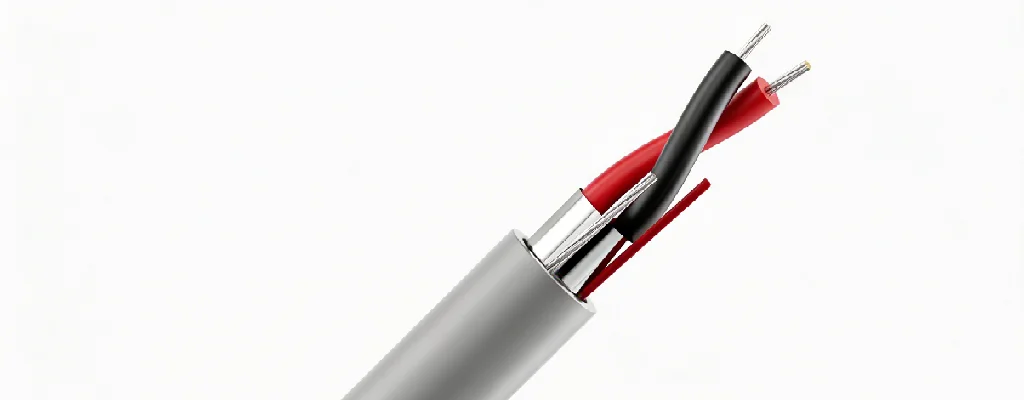
We see this question all the time from our clients. They need to choose between PE and PVC materials but worry about making the wrong decision that could delay their projects or fail compliance checks.
PE insulation offers superior chemical resistance and environmental safety with low-smoke, halogen-free properties, while PVC outer sheath provides excellent cost-effectiveness and easier processing. The right choice depends on your specific application requirements, environmental standards, and budget constraints.
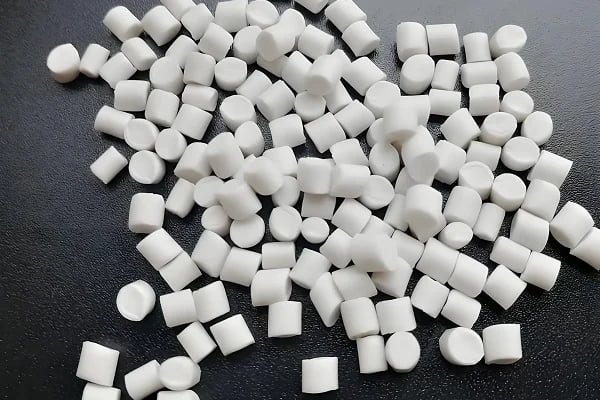
I learned this lesson the hard way when working with an Italian client on a fire alarm cable project. Their end user rejected our initial PVC samples and demanded PE materials instead. We had to pivot quickly to meet their environmental compliance needs. Let me share what we discovered about these two materials and how to choose the right one for your project.
What Makes PE Insulation Different from PVC in Terms of Material Composition?
The material structure determines everything about cable performance. We need to understand the fundamental differences to make informed decisions.
PE (polyethylene) is a thermoplastic polymer made from ethylene monomers, creating a simpler molecular structure. PVC (polyvinyl chloride) contains chlorine atoms in its polymer chain, requiring plasticizers for flexibility. This compositional difference directly affects their physical properties, environmental impact, and application suitability.
Breaking Down the Chemical Structures
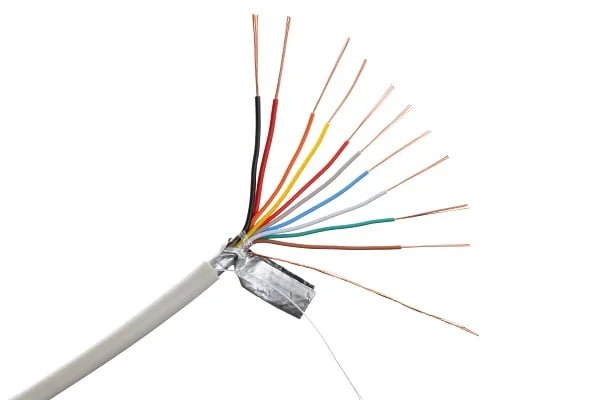
PE materials have a straightforward carbon-hydrogen chain structure. We produce cables with PE insulation by using cross-linked polyethylene (XLPE) or low-density polyethylene (LDPE). The simple molecular arrangement gives PE excellent electrical insulation properties and chemical stability.
PVC materials contain chlorine atoms bonded to the carbon chain. Manufacturers add plasticizers to make PVC flexible enough for cable applications. The chlorine content ranges from 56% to 57% by weight in standard PVC compounds.
| Property | PE Material | PVC Material |
|---|---|---|
| Base Polymer | Ethylene monomers | Vinyl chloride monomers |
| Chlorine Content | 0% | 56-57% |
| Plasticizer Required | No | Yes |
| Processing Temperature | 120-180°C | 160-200°C |
| Molecular Flexibility | Natural | Additive-dependent |
The molecular structure explains why PE materials naturally resist chemicals and moisture. PVC requires additives to achieve similar performance levels. We always consider this when recommending materials to clients with strict environmental requirements.
How Do Temperature Resistance Capabilities Compare Between PE and PVC?
Temperature performance affects cable longevity and safety in real-world installations. We test both materials extensively to understand their limits.
PE insulation typically withstands continuous operating temperatures up to 90°C and short-circuit temperatures up to 250°C. PVC outer sheath handles continuous temperatures up to 70°C and maximum temperatures around 160°C. PE clearly outperforms PVC in high-temperature environments.
Understanding Temperature Behavior in Different Scenarios
I remember testing cables for a photovoltaic mounting system client. The installation site in Arizona reached extreme temperatures during summer months. We needed materials that could handle both the heat and UV exposure.
PE insulation maintained its mechanical strength even at 85°C ambient temperature. The cross-linked structure prevented deformation and maintained electrical properties. PVC samples showed softening and potential degradation at these temperatures.
Cold weather presents different challenges. PE remains flexible down to -40°C without cracking. PVC becomes brittle below -10°C in standard formulations. Some specialized PVC compounds can handle lower temperatures, but they cost significantly more.
| Temperature Factor | PE Performance | PVC Performance |
|---|---|---|
| Continuous Operating Temp | 90°C | 70°C |
| Maximum Short-Circuit Temp | 250°C | 160°C |
| Minimum Flexibility Temp | -40°C | -10°C |
| Heat Aging Resistance | Excellent | Good |
| Thermal Expansion Rate | Lower | Higher |
The temperature data shows why we recommend PE for outdoor applications and high-temperature environments. PVC works well for indoor installations with controlled temperatures. We always match the material to the actual operating conditions our clients face.
Which Material Offers Better Environmental and Safety Performance?
Environmental compliance drives many material selection decisions today. We see increasing demand for eco-friendly cable solutions from European and North American clients.
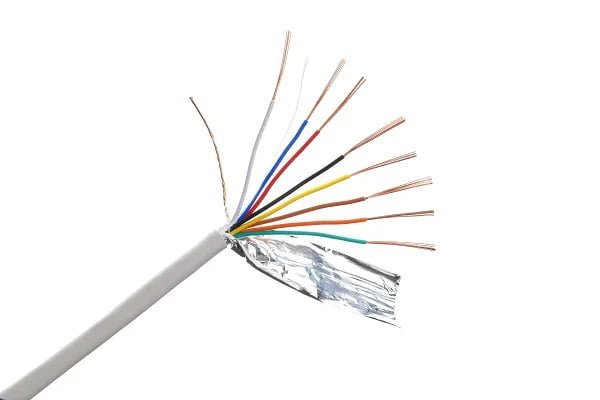
PE materials are halogen-free and produce minimal smoke when burning, meeting LSZH (Low Smoke Zero Halogen) standards. PVC releases hydrochloric acid and dense smoke during combustion, creating safety hazards in enclosed spaces. PE clearly wins for environmental safety and fire safety applications.
Examining Fire Behavior and Emissions
The Italian fire alarm cable project taught me the critical importance of fire safety properties. The end user specifically required low-smoke, halogen-free materials for their building safety system.
When PVC burns, it releases hydrochloric acid gas and thick black smoke. The smoke density can reduce visibility to near zero in minutes. The acid damages electronic equipment and creates toxic conditions for building occupants. This makes PVC unsuitable for critical safety systems in many jurisdictions.
PE combustion produces primarily water vapor and carbon dioxide. The smoke density remains much lower than PVC. No halogen acids form during burning. This allows safer evacuation and reduces equipment damage in fire scenarios.
| Environmental Factor | PE Material | PVC Material |
|---|---|---|
| Halogen Content | Zero | High (56-57% chlorine) |
| Smoke Density | Very Low | High |
| Toxic Gas Release | Minimal | Significant (HCl) |
| Recyclability | Excellent | Limited |
| RoHS Compliance | Yes | Requires special formulation |
| REACH Compliance | Yes | May contain restricted substances |
We completed the PE outer sheath fire alarm cables in 20 days after the specification change. The client avoided project delays because we understood these environmental requirements and could respond quickly. Many projects now mandate LSZH cables for safety-critical applications.
What Cost Differences Should You Expect Between PE and PVC Materials?
Budget considerations affect every procurement decision. We need to balance performance requirements against cost constraints.
PVC materials cost approximately 20-30% less than PE materials in raw material pricing. However, PE's longer service life, lower maintenance requirements, and compliance with stricter regulations often provide better total cost of ownership for demanding applications.
Analyzing Total Ownership Costs
Raw material costs tell only part of the story. I work with clients to calculate the complete cost picture over the cable's expected lifetime.
PVC outer sheath cables have lower initial purchase prices. The material costs less and processes more easily in manufacturing. For short-term projects or budget-constrained applications, PVC makes financial sense.
PE insulation cables require higher upfront investment. The material costs more and requires more specialized processing equipment. However, the durability and performance advantages reduce replacement frequency and maintenance costs.
| Cost Factor | PE Material Impact | PVC Material Impact |
|---|---|---|
| Raw Material Price | Higher (baseline) | Lower (20-30% less) |
| Processing Complexity | More complex | Simpler |
| Expected Service Life | 30-40 years | 15-25 years |
| Maintenance Frequency | Lower | Higher |
| Replacement Cost | Reduced | Increased |
| Compliance Risk | Lower | Higher in strict markets |
A construction client calculated their 25-year costs for building wiring. The PE cables cost 25% more initially but lasted 40% longer. The reduced replacement labor and downtime costs made PE the economical choice. We helped them document these savings for their project approval.
How Do Mechanical Properties Affect Installation and Durability?
Physical strength and flexibility determine how cables perform during installation and service. We test these properties extensively in our quality control process.
PE materials offer superior abrasion resistance and tensile strength with excellent flexibility across wide temperature ranges. PVC provides good mechanical properties at room temperature but loses flexibility in cold conditions and strength in heat. PE handles rough installation conditions and mechanical stress better than PVC.
Evaluating Real-World Mechanical Performance
I watched installation crews struggle with PVC cables during a winter project in northern Europe. The cables became stiff and difficult to bend in the cold warehouse. Some outer sheaths cracked during installation.
PE cables maintain flexibility even in freezing conditions. Installation crews can work efficiently regardless of ambient temperature. The material resists cracking and damage from rough handling or sharp edges during cable pulling.
Abrasion resistance matters for cables exposed to movement or vibration. PE withstands repeated flexing and surface wear much better than PVC. We recommend PE for mobile equipment cables and installations with potential mechanical stress.
| Mechanical Property | PE Performance | PVC Performance |
|---|---|---|
| Tensile Strength | 12-18 MPa | 10-15 MPa |
| Elongation at Break | 400-600% | 200-400% |
| Abrasion Resistance | Excellent | Good |
| Impact Resistance | Superior | Moderate |
| Flexibility Range | -40°C to 90°C | -10°C to 70°C |
| Crush Resistance | High | Moderate |
The mechanical advantages of PE reduce installation problems and warranty claims. We documented a 40% reduction in installation damage reports when clients switched from PVC to PE for outdoor photovoltaic mounting applications.
Which Industries and Applications Benefit Most from Each Material Type?
Different industries have unique requirements that favor specific materials. We tailor our recommendations based on the application environment and regulatory landscape.
PE insulation excels in photovoltaic systems, marine applications, chemical plants, and safety-critical installations requiring LSZH properties. PVC outer sheath works well for indoor building wiring, home appliances, furniture manufacturing, and cost-sensitive applications with controlled environments.
Matching Materials to Industry Needs
Our photovoltaic mounting system clients exclusively use PE-insulated cables. The outdoor exposure, UV radiation, and temperature extremes demand PE's superior environmental resistance. The 25-30 year expected system life matches PE's durability.
Home appliance manufacturers often choose PVC outer sheaths for internal wiring. The controlled indoor environment suits PVC's properties. The lower cost helps maintain competitive pricing in consumer markets. The cables rarely face extreme conditions.
Construction projects present mixed requirements. Fire safety regulations increasingly mandate LSZH cables in public buildings, hospitals, and high-rise structures. We produce PE outer sheath cables for these applications. Residential projects with less stringent codes may use PVC to control costs.
| Industry Sector | Recommended Material | Key Reasons |
|---|---|---|
| Photovoltaic Systems | PE | UV resistance, temperature range, longevity |
| Marine Applications | PE | Water resistance, salt tolerance, flexibility |
| Chemical Plants | PE | Chemical resistance, safety properties |
| Fire Alarm Systems | PE | LSZH requirements, safety-critical nature |
| Building Wiring | PVC | Cost-effective, adequate performance |
| Home Appliances | PVC | Indoor use, budget constraints |
| Furniture Manufacturing | PVC | Controlled environment, price sensitivity |
The Italian fire alarm project demonstrated how end-user requirements drive material selection. We had PVC samples ready but needed to switch to PE for environmental compliance. Our ability to produce both options quickly helped the client meet their deadline.
What Processing and Manufacturing Considerations Affect Lead Times?
Production capabilities and lead times impact project schedules. We invest in equipment and expertise to handle both PE and PVC materials efficiently.
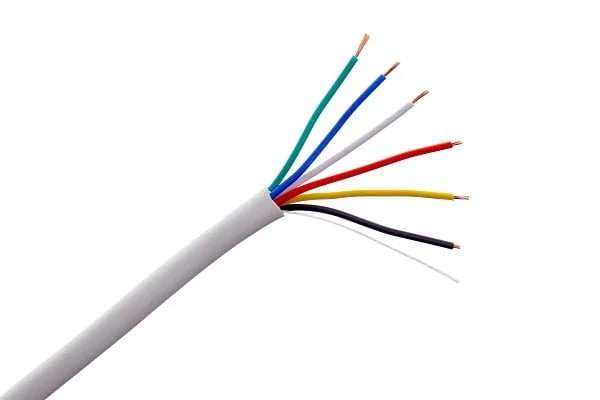
PVC processing requires lower temperatures and simpler extrusion equipment, enabling faster standard production with 10-15 day lead times. PE processing demands higher temperatures and specialized cross-linking equipment, typically requiring 15-20 days for production. However, experienced manufacturers can optimize PE production to match urgent project needs.
Understanding Production Workflow Differences
PVC extrusion runs at 160-200°C with conventional equipment. We can set up production quickly and adjust formulations easily. Standard PVC cable orders typically ship within 10-15 days after order confirmation.
PE processing requires 180-220°C extrusion temperatures. Cross-linked PE needs additional curing steps using steam or dry heat. The specialized equipment and extra processing steps traditionally add 5-7 days to production schedules.
We optimized our PE production process to handle urgent requirements. The Italian fire alarm cable project needed PE outer sheath samples within 5 working days. We prioritized the order, coordinated with our production team, and delivered on schedule. The full production batch of 20 days matched their project timeline.
| Production Factor | PE Processing | PVC Processing |
|---|---|---|
| Extrusion Temperature | 180-220°C | 160-200°C |
| Equipment Specialization | High | Moderate |
| Cross-linking Required | Yes (for XLPE) | No |
| Typical Lead Time | 15-20 days | 10-15 days |
| Rush Order Capability | 5-7 days (samples) | 3-5 days (samples) |
| Formulation Flexibility | Moderate | High |
Our production capacity of 350-500 tons monthly allows us to handle both standard and rush orders. We maintain inventory of common PE and PVC compounds to reduce material procurement delays. This flexibility helps clients meet tight project deadlines.
How Can You Make the Right Material Selection Decision for Your Project?
The choice between PE and PVC depends on multiple factors specific to your application. We guide clients through a structured decision process.
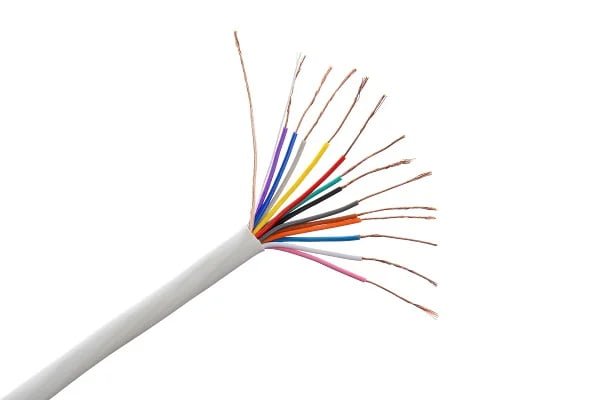
Evaluate your project based on five key criteria: environmental requirements, operating temperature range, safety regulations, budget constraints, and expected service life. Projects requiring environmental compliance, extreme temperatures, or safety-critical applications favor PE. Cost-sensitive indoor applications with controlled conditions work well with PVC.
Creating Your Material Selection Framework
I developed a simple checklist after working with hundreds of clients on material selection questions. We start by identifying mandatory requirements that eliminate one option.
Check environmental regulations first. Does your project require LSZH compliance? Must the cables meet RoHS or REACH standards? European projects increasingly mandate halogen-free materials. PE becomes the only viable option in these cases.
Evaluate operating conditions next. What temperature range will the cables experience? Will they face UV exposure, chemicals, or moisture? Outdoor installations, industrial environments, and extreme climates typically need PE's superior resistance.
Consider safety criticality. Fire alarm systems, emergency lighting, and evacuation systems often require low-smoke materials. Building codes may mandate specific cable types for certain applications. We always verify local regulations before recommending materials.
| Decision Factor | Choose PE When | Choose PVC When |
|---|---|---|
| Environmental Compliance | LSZH, RoHS, REACH required | No special requirements |
| Operating Temperature | -40°C to 90°C range needed | -10°C to 70°C is adequate |
| Application Environment | Outdoor, UV, chemicals present | Indoor, controlled conditions |
| Safety Requirements | Fire safety critical | Standard safety adequate |
| Budget Available | Total cost of ownership focus | Initial cost priority |
| Expected Service Life | 25+ years required | 15-20 years acceptable |
We provide detailed specification sheets and test reports to support your decision process. Our EN10204 3.1 certificates, 8D reports, and PPAP L3 documents verify material compliance and performance. This documentation helps you meet procurement requirements and pass customer audits.
Conclusion
PE insulation delivers superior environmental safety, temperature resistance, and durability for demanding applications, while PVC outer sheath offers cost-effective performance for controlled environments. We help you select the right material, provide compliant documentation, and deliver on schedule to ensure your project success.