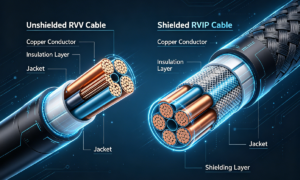
The stable operation of industrial control systems depends heavily on signal integrity. One signal interference issue can lead to equipment malfunction, production downtime, and significant financial losses. These problems are more common than most people realize in complex electromagnetic environments.
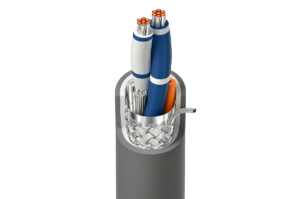
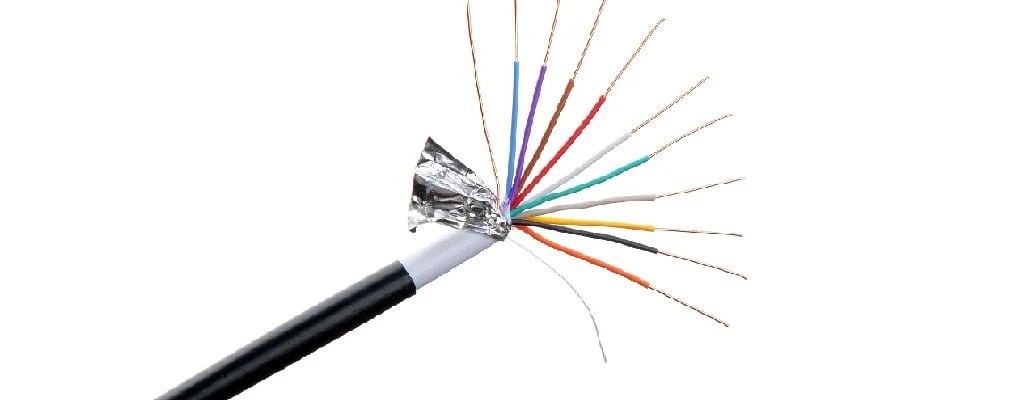
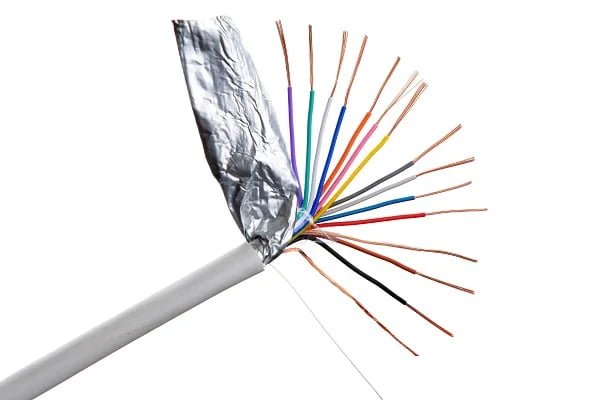
Fully shielded cables provide 100% coverage protection against electromagnetic interference, ensuring stable signal transmission in industrial control, communication systems, and automated production lines. Unlike standard cables, their complete shielding layer blocks external electromagnetic fields while preventing internal signal leakage, making them essential for environments with multiple power and signal lines in close proximity.
I learned this lesson through direct experience with a customer facing serious production challenges. Their automated control system kept failing, and they were losing money every day the problem continued. Let me share what we discovered together.
How Does Complete Shielding Eliminate Signal Interference Problems?
Signal interference in industrial settings creates a domino effect of problems. One unstable data transmission leads to incorrect equipment responses, which causes production delays, which results in missed deadlines and unhappy customers. I have seen this pattern repeat itself across different industries.
Complete shielding works by creating a continuous metallic barrier around the cable conductor. This barrier absorbs and redirects electromagnetic waves away from the signal path, maintaining clean data transmission even when surrounded by motors, transformers, and high-voltage power lines. The 100% coverage means zero gaps where interference can penetrate.
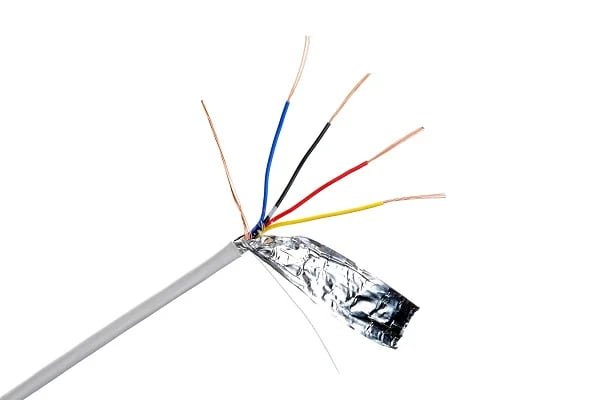
We recently worked with a factory automation customer who experienced this problem firsthand. Their production line had signal cables running parallel to power cables for nearly 50 meters. The proximity created constant electromagnetic interference. Their equipment would receive corrupted signals, causing machines to stop randomly throughout the day. Production efficiency dropped by 30%. Their maintenance team spent hours troubleshooting, but the problems kept returning.
The customer initially wanted to use standard unshielded cables to keep costs down. I understood their budget concerns. However, I explained that the cost of cable upgrades was minimal compared to the cost of production downtime. We analyzed their factory layout together. I showed them exactly where the electromagnetic interference was coming from and how it was affecting their signals.
Shielding Structure Comparison
| Cable Type | Shield Coverage | Interference Rejection | Signal Stability | Typical Applications |
|---|---|---|---|---|
| Unshielded | 0% | Low | Unstable in EMI environments | Simple residential wiring |
| Braided Shield | 85-95% | Moderate | Good for light interference | Office networks |
| Foil Shield | 100% (with gaps at connections) | Good | Better for moderate interference | Computer peripherals |
| Fully Shielded (Foil + Braid) | 100% continuous | Excellent | Stable in harsh EMI | Industrial control, automation |
The shielding mechanism works through three principles. First, the metallic layer reflects electromagnetic waves before they reach the conductor. Second, any waves that penetrate the first layer get absorbed by the shield material. Third, the grounding connection channels interference currents safely away from the signal path. This triple protection ensures signal integrity.
We provided samples of our fully shielded cables for testing. The customer installed them in the most problematic sections first. Within two days, they called me with excitement. The interference problems had disappeared completely. Their data transmission became stable. Equipment responded accurately to every command. The random shutdowns stopped.
Why Does 100% Coverage Matter More Than Partial Shielding?
Partial shielding creates weak points in electromagnetic protection. Even small gaps in the shield layer allow interference to penetrate and corrupt signals. I compare it to a fence with holes. The fence only works if it covers everything completely.
100% shield coverage provides continuous protection along the entire cable length without any gaps or weak points. Braided shields typically achieve only 85-95% coverage due to the weave pattern, leaving small openings where electromagnetic waves can penetrate. Fully shielded cables combine foil and braid layers to achieve complete coverage, ensuring consistent performance even in the harshest electromagnetic environments.
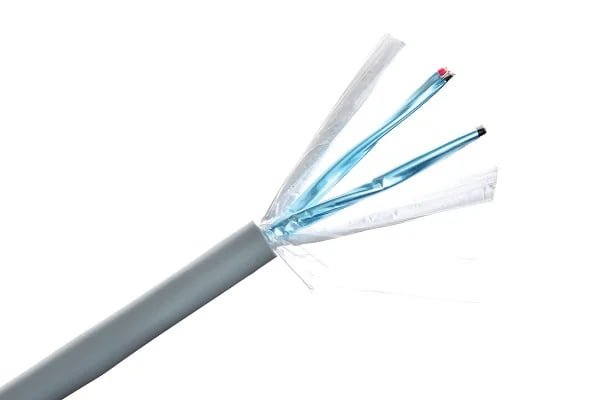
The difference between 95% and 100% coverage seems small on paper. In practice, it determines whether your system works reliably or fails unpredictably. I have seen projects where customers chose partially shielded cables to save money, only to spend far more fixing interference problems later.
Coverage Impact on Performance
| Shield Coverage | Interference Penetration Risk | Signal Quality | Long-term Reliability | Total Cost of Ownership |
|---|---|---|---|---|
| Below 85% | High | Poor in EMI environments | Frequent failures | High (due to troubleshooting and downtime) |
| 85-95% (Braid only) | Moderate | Acceptable for light interference | Occasional issues in harsh environments | Medium to High |
| 100% (Foil only) | Low | Good, but vulnerable at connections | Good if properly terminated | Medium |
| 100% (Foil + Braid) | Minimal | Excellent in all conditions | Highest | Lowest (minimal maintenance and downtime) |
The physics behind this is straightforward. Electromagnetic waves travel in all directions. They search for any path into the cable conductor. A 5% gap in shielding provides more than enough space for interference. The gap acts like a window that lets electromagnetic noise flood into your signal path.
Our customer's experience proved this point. They had previously tried cables with braided shielding only. The braided design left small gaps between the woven strands. In their high-interference environment, electromagnetic waves found these gaps easily. The result was unstable signals and equipment malfunctions.
When we provided fully shielded cables with both foil and braid layers, the complete coverage eliminated every entry point for interference. The foil layer provided 100% coverage as a primary barrier. The braid layer added mechanical strength and a secondary protection layer. Together, they created an impenetrable electromagnetic shield. The customer's signal quality improved immediately and remained stable.
What Real-World Applications Require Fully Shielded Cables?
Certain environments create such intense electromagnetic interference that fully shielded cables become mandatory, not optional. I have worked with customers across multiple industries, and I can identify the scenarios where shielding makes the difference between success and failure.
Industrial automation systems, CNC machine controls, motor drive circuits, data centers, medical imaging equipment, and audio recording studios all require fully shielded cables. These environments contain high-power electrical equipment, precision instruments, or both operating in close proximity. The electromagnetic fields generated by motors, drives, and transformers create interference levels that overwhelm partially shielded or unshielded cables.
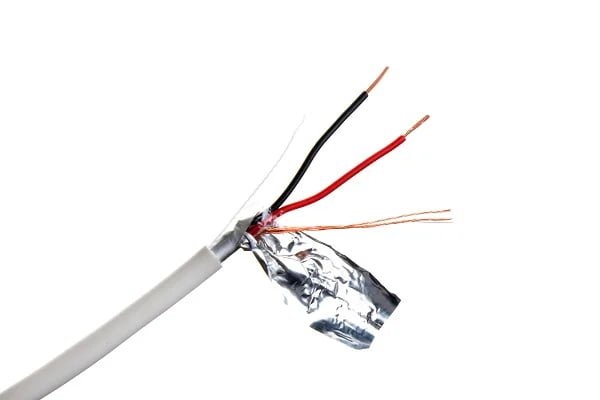
I remember visiting a manufacturing plant where they were installing new CNC machines. The machines operated with variable frequency drives that created significant electromagnetic noise. The control signals needed to travel through cable trays that also carried 480V power cables. The plant engineer asked me if standard cables would work. I explained that in this environment, signal corruption was guaranteed without proper shielding.
Application-Specific Requirements
| Application | EMI Severity | Shielding Need | Consequences of Poor Shielding | Our Solution |
|---|---|---|---|---|
| Factory Automation | High | Critical | Production stoppages, safety risks | Fully shielded control cables |
| CNC Machining | Very High | Essential | Machining errors, tool damage | Fully shielded with grounding |
| Data Centers | Moderate to High | Important | Data corruption, network failures | Fully shielded network cables |
| Medical Imaging | Extremely High | Mandatory | Incorrect diagnoses, equipment damage | Hospital-grade shielded cables |
| Audio Studios | Moderate | Required for quality | Noise in recordings, unusable output | Professional audio shielded cables |
| Renewable Energy | High | Critical | Inverter malfunctions, power loss | Weather-resistant shielded cables |
Photovoltaic systems present another critical application. Solar inverters generate high-frequency switching noise. The DC cables from solar panels carry high currents. Communication cables for monitoring systems run alongside these power cables. Without proper shielding, the monitoring data becomes unreliable. System operators cannot trust their performance metrics. Troubleshooting becomes nearly impossible.
We manufacture stamping parts for photovoltaic mounting systems, so I understand the solar industry well. When customers ask about cable specifications for their monitoring systems, I always recommend fully shielded cables. The additional cost is minimal compared to the system value. The peace of mind from reliable monitoring is priceless.
Home appliance manufacturers face similar challenges. Modern appliances contain sophisticated electronic controls and communication modules. These components must operate reliably despite the electromagnetic noise from motors and heating elements. We work with appliance manufacturers who specify fully shielded cables for their control systems. This ensures their products perform consistently in customer homes.
How Do Fully Shielded Cables Reduce Total Project Costs?
The upfront cost of fully shielded cables exceeds standard cables by 20-40%. This price difference makes some customers hesitate. However, the total cost calculation tells a completely different story. I always walk customers through the full financial picture.
Fully shielded cables reduce total project costs by eliminating interference-related failures, minimizing troubleshooting time, reducing system downtime, and extending equipment lifespan. While the initial cable cost is higher, the savings from avoided production losses, reduced maintenance calls, and longer service life typically exceed the additional investment within the first year of operation.
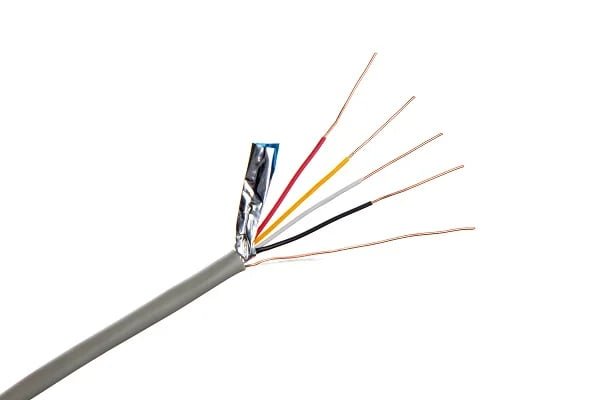
Our automation customer provides a perfect case study. They initially planned to save $3,000 by using standard cables instead of fully shielded cables for their control system upgrade. Their production line generates $50,000 in value per day. Before switching to fully shielded cables, interference problems caused an average of 2 hours of downtime per day. That downtime cost them approximately $4,000 daily in lost production.
Cost-Benefit Analysis
| Cost Factor | Standard Cable | Fully Shielded Cable | Difference |
|---|---|---|---|
| Initial Cable Cost | $10,000 | $13,000 | +$3,000 |
| Installation Cost | $5,000 | $5,000 | $0 |
| Annual Downtime Cost | $960,000 (2 hrs/day) | $0 | -$960,000 |
| Troubleshooting Cost/Year | $15,000 | $1,000 | -$14,000 |
| Replacement Frequency | 3-5 years | 10+ years | Extended life |
| 5-Year Total Cost | $1,023,000+ | $18,000 | -$1,005,000 |
After installing our fully shielded cables, their downtime from signal interference dropped to zero. The $3,000 additional investment in cables paid for itself in less than one day. Over the first year, they saved nearly $1 million in avoided production losses. The maintenance team stopped receiving emergency calls about signal problems. Their stress levels decreased. Their efficiency increased.
The extended lifespan provides additional savings. Standard cables in high-interference environments degrade faster. The electromagnetic stress damages the insulation over time. Customers typically replace them every 3-5 years. Fully shielded cables protect the internal conductors from electromagnetic stress. They routinely last 10 years or longer in the same environment. The replacement cost savings add up significantly over time.
We also help customers optimize their cable specifications to avoid over-engineering. Not every cable in a system needs full shielding. We analyze the actual electromagnetic environment and recommend shielding only where necessary. This balanced approach maximizes protection while controlling costs.
What Installation Practices Maximize Shielding Effectiveness?
The best fully shielded cable will fail if installed incorrectly. Proper installation techniques are just as important as the cable specification itself. I have seen expensive shielded cables perform poorly because installers did not understand proper grounding and termination methods.
Effective shielding requires proper grounding at both cable ends, maintaining shield continuity through connectors, avoiding sharp bends that damage the shield layer, and keeping shielded cables separated from unshielded cables. The shield must connect to earth ground through low-impedance paths at equipment enclosures. Cable ties should not compress the cable so tightly that they deform the shield. These installation details determine whether the shielding actually protects against interference.
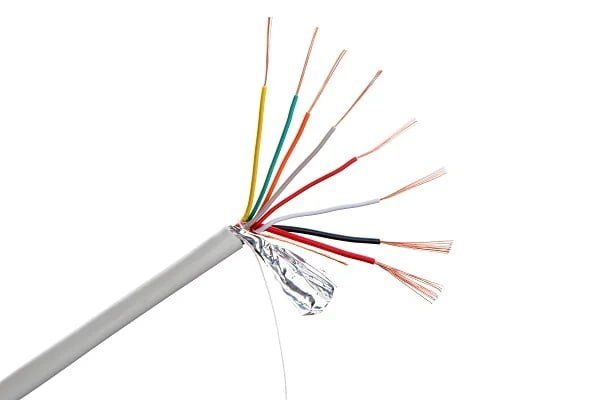
Grounding creates the most confusion. Some installers ground the shield at one end only. Others ground it at multiple points along the cable length. Both approaches can cause problems. Single-point grounding works for low-frequency interference but fails at high frequencies. Multi-point grounding can create ground loops that actually increase noise.
Installation Guidelines
| Installation Aspect | Incorrect Practice | Correct Practice | Impact on Performance |
|---|---|---|---|
| Shield Grounding | One end only or multiple points | Both ends to equipment ground | Critical for effectiveness |
| Connector Termination | Shield cut back from connector | Shield bonded to connector shell | Essential for continuity |
| Cable Bending | Sharp 90-degree bends | Minimum bend radius maintained | Prevents shield damage |
| Cable Routing | Mixed with power cables | Separated where possible | Reduces interference coupling |
| Cable Support | Over-tightened cable ties | Proper tension without compression | Maintains shield integrity |
| Connector Type | Standard unshielded | Metal shell with shield contact | Completes protection path |
The proper method grounds both ends to the equipment enclosures. This works because the equipment enclosures themselves connect to the same earth ground reference. The shield current flows through the shield to ground, not through the signal conductors. This approach provides effective protection across all frequency ranges.
Connector termination requires equal attention. The shield must bond to the connector shell with 360-degree contact. Some connectors use a pigtail wire to connect the shield. This creates a high-impedance path that reduces shielding effectiveness at high frequencies. Quality connectors provide direct metal-to-metal contact between the cable shield and connector shell.
We provided detailed installation instructions to our automation customer. We specified the exact grounding points, connector types, and cable routing paths. We trained their installation team on proper techniques. This attention to installation detail ensured the fully shielded cables delivered their full performance potential. The customer appreciated our comprehensive support beyond just supplying the cables.
How Do We Ensure Quality and Compliance for Shielded Cable Projects?
Quality assurance for fully shielded cables goes beyond basic cable testing. We need to verify the shielding effectiveness, ensure proper grounding throughout the system, and confirm compliance with relevant standards. I treat every shielded cable project as a critical component that cannot fail.
Our quality process includes shield continuity testing, transfer impedance measurement, and visual inspection of shield coverage. We provide EN10204 3.1 certificates documenting material composition and performance characteristics. For critical projects, we offer 8D reports and PPAP Level 3 documentation to demonstrate full process control. We test sample cables from each production batch to verify shielding effectiveness meets specifications before shipping to customers.
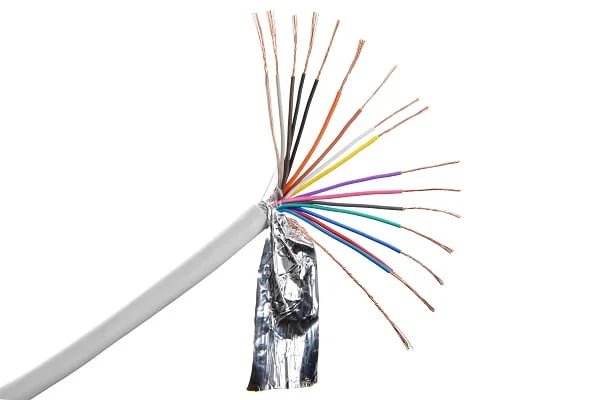
Shield continuity testing verifies that the shield layer has no breaks or gaps. We use specialized equipment that measures resistance along the entire shield length. Any discontinuity shows up immediately as a resistance spike. This catches manufacturing defects before cables reach the customer.
Quality Verification Process
| Quality Check | Test Method | Acceptance Criteria | Documentation Provided |
|---|---|---|---|
| Shield Continuity | Resistance measurement | <0.1 ohm per meter | Test report with values |
| Transfer Impedance | RF measurement | Per specification (typically <100 mΩ/m) | Frequency response curve |
| Visual Inspection | 100% examination | No gaps or damage visible | Inspection checklist |
| Material Compliance | Certificate verification | Meets specified standards | EN10204 3.1 certificate |
| Dimensional Check | Precision measurement | Within tolerance range | Dimensional report |
| Performance Validation | Sample testing | Meets shielding effectiveness spec | Test data package |
Transfer impedance measures how effectively the shield blocks electromagnetic fields. Lower transfer impedance means better shielding. We test sample cables at multiple frequencies to verify performance across the entire operating range. The test results show customers exactly how their cables will perform in their specific electromagnetic environment.
For customers in regulated industries, compliance documentation becomes critical. Medical equipment manufacturers need to prove their cables meet hospital safety standards. Industrial customers require certificates showing materials comply with environmental regulations. We maintain all necessary certifications and provide complete documentation packages with every shipment.
Our automation customer needed PPAP Level 3 documentation for their quality management system. We provided complete process flow diagrams, control plans, measurement system analysis, and capability studies. This documentation demonstrated that our manufacturing process produces consistent, high-quality shielded cables. The customer's quality team approved our process without any corrective action requests.
We also support customers with on-site installation verification. For critical projects, we send technical specialists to verify proper installation and grounding. We measure the actual shielding effectiveness