
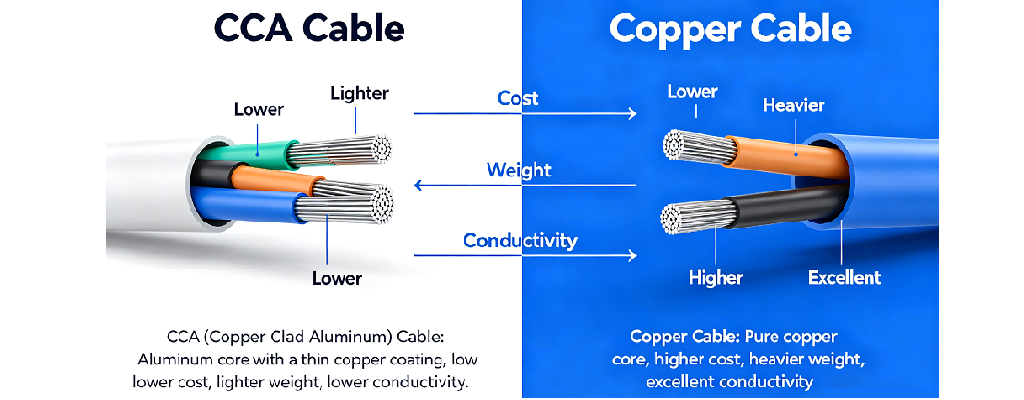
Choosing the right cable can save you from costly failures. I learned this lesson the hard way when a client's security system failed after just nine months. The culprit? Using CCA cables1 instead of pure copper in a humid environment.
CCA (Copper Clad Aluminum) cables have an aluminum core with a thin copper coating, while pure copper cables use 100% copper conductors. Pure copper cables offer better conductivity, longer lifespan, and superior performance in most applications, but CCA cables cost 30-50% less upfront.
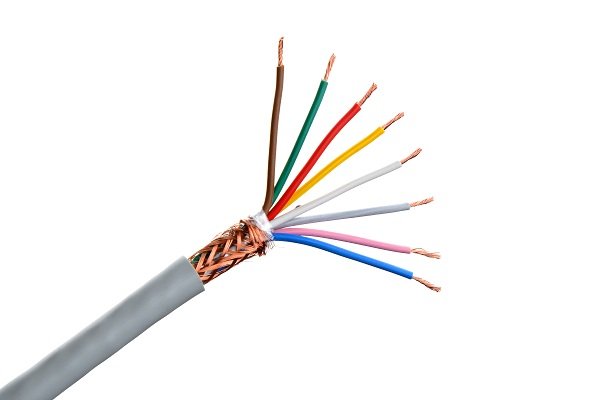
This comparison will help you understand both cable types. I will share real-world experiences and practical guidance to help you make the right choice for your specific needs.
What Exactly Is CCA Cable and How Does It Differ from Pure Copper?
CCA cables seem like a budget-friendly option. Many buyers choose them without understanding the trade-offs they are making.
CCA cable consists of an aluminum core wrapped with a thin copper layer, typically 10-15% copper by weight. Pure copper cable contains 100% copper conductors throughout. This structural difference affects conductivity, weight, durability, and overall performance in electrical applications.
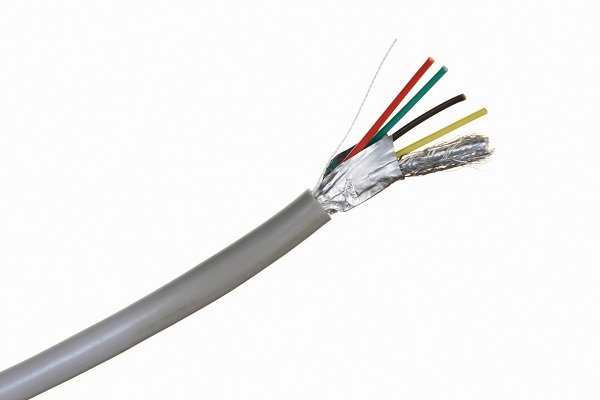
The manufacturing process creates these differences. CCA cables use a cladding technique where copper is bonded to an aluminum core. This reduces material costs since aluminum is cheaper than copper. Pure copper cables go through drawing and annealing processes to create consistent conductors.
The key properties differ significantly:
| Property | CCA Cable | Pure Copper Cable |
|---|---|---|
| Conductivity | 61% of pure copper | 100% (reference standard) |
| Weight | 30-40% lighter | Standard weight |
| Flexibility | Less flexible, more brittle | Highly flexible |
| Corrosion resistance | Poor (aluminum oxidizes) | Excellent |
| Temperature tolerance | Lower (aluminum expands more) | Higher |
| Lifespan | 3-6 months in harsh conditions | 15-25 years typical |
In 2012, I worked with an Indonesian client who ordered 30 kilometers of unshielded CCA alarm cable across six specifications. We delivered within 25 days. I recommended pure copper cables2 during the quotation phase, but the client prioritized the lower cost for temporary use. Nine months later, they contacted us with an urgent problem. The internal conductors had oxidized completely. Their alarm system stopped working, and the construction site almost experienced theft.
The hot and humid Indonesian climate accelerated the oxidation process. When weak current flows through CCA cables, the junction between copper and aluminum creates resistance. This resistance generates heat, which speeds up aluminum oxidation3 at both cable ends. The client eventually replaced all CCA cables with pure copper versions for the remaining 15 months of their project.
Why Do CCA Cables Fail Faster Than Copper Cables?
Understanding failure mechanisms helps you predict problems. The science behind cable degradation reveals important patterns.
CCA cables fail faster because aluminum oxidizes rapidly when exposed to moisture and oxygen, creating a non-conductive layer. The copper-aluminum junction generates heat during current flow, accelerating corrosion. Pure copper cables resist oxidation naturally and maintain stable conductivity throughout their lifespan.
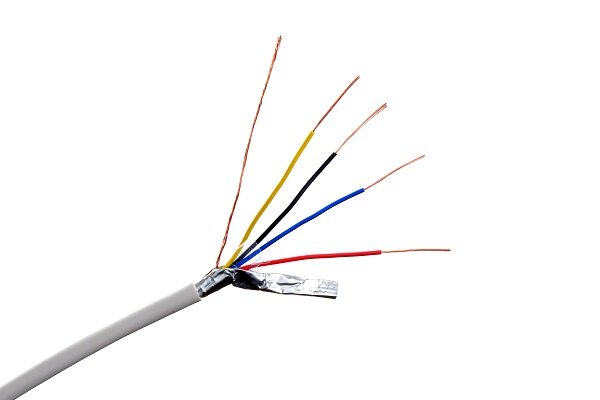
The oxidation process starts immediately after installation. Aluminum reacts with oxygen to form aluminum oxide. This white powdery substance increases resistance at connection points. Each connection becomes a weak point where heat builds up.
Environmental factors accelerate this degradation:
| Environmental Factor | Impact on CCA | Impact on Copper |
|---|---|---|
| High humidity (>70%) | Severe oxidation within months | Minimal impact over years |
| Temperature fluctuations | Expansion/contraction damage | Stable performance |
| Saltwater exposure | Rapid galvanic corrosion | Slow, manageable corrosion |
| UV radiation | Insulation breakdown exposes core | Insulation breakdown only |
| Chemical exposure | Both aluminum and copper affected | Copper more resistant |
The electrical properties also degrade differently. CCA cables have 61% of copper's conductivity initially. As oxidation progresses, this drops further. A 16 AWG CCA cable might perform like an 18 or 20 AWG cable after six months in harsh conditions.
Heat generation compounds the problem. When you run the same current through CCA and copper cables, the CCA cable generates 40-60% more heat. This extra heat stresses the insulation and speeds up aluminum oxidation. In power applications, this creates a dangerous cycle of increasing resistance and heat.
I have seen this pattern repeatedly. Clients choose CCA cables for outdoor security systems, solar installations, or marine applications. Within months, they experience connection failures, voltage drops, or complete system shutdowns. The initial cost savings disappear when they need emergency replacements.
Pure copper cables maintain their properties because copper oxide still conducts electricity. The oxide layer actually protects the underlying copper from further corrosion. This self-protecting characteristic extends cable life significantly.
When Should You Use CCA Cables Instead of Pure Copper?
CCA cables have legitimate applications. Knowing when to use them prevents both waste and failure.
Use CCA cables for temporary installations lasting under six months in controlled indoor environments with minimal current loads. They work well for short-term events, temporary lighting, or disposable applications where cost matters more than longevity. Avoid them for permanent installations, outdoor use, or critical systems.
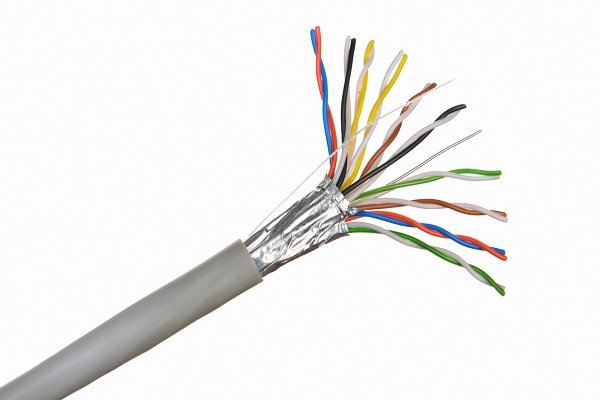
The decision matrix depends on several factors. I evaluate each project against these criteria:
| Use Case | CCA Acceptable | Pure Copper Required |
|---|---|---|
| Indoor temporary events (<6 months) | Yes | Optional |
| Permanent building installations | No | Yes |
| Outdoor applications | No | Yes |
| High-humidity environments | No | Yes |
| Power transmission | No | Yes |
| Data/network cables | No | Yes |
| Low-voltage lighting (indoor) | Maybe | Recommended |
| Audio/video (short runs) | Maybe | Recommended |
| Safety/security systems | No | Yes |
| Solar panel connections | No | Yes |
Temporary exhibitions represent ideal CCA applications. Trade shows, festivals, or seasonal displays need cables for days or weeks. The controlled indoor environment prevents rapid oxidation. After the event ends, the cables can be discarded or reused for similar short-term projects.
Some contractors use CCA cables for construction site lighting during the building phase. They plan to remove these cables before project completion. This approach works if the construction timeline stays under six months and the site has covered work areas.
However, I strongly advise against CCA cables in these situations:
Permanent installations require long-term reliability. Building codes in many regions prohibit CCA cables for in-wall wiring. The fire risk from heat generation and the connection failure risk make them unsuitable.
Outdoor environments expose cables to moisture, temperature swings, and UV radiation. Even with good insulation, outdoor CCA cables typically fail within one year. The replacement cost and labor exceed any initial savings.
High-current applications generate excessive heat in CCA cables. The aluminum core cannot dissipate heat as efficiently as copper. This creates fire hazards and accelerates insulation breakdown.
Network and data applications need consistent signal quality. CCA cables introduce impedance variations and signal loss. Ethernet standards specifically require pure copper conductors for certified performance.
Safety systems like fire alarms, security cameras, or emergency lighting cannot tolerate failures. The liability risk far outweighs any cost savings. My Indonesian client learned this lesson when their alarm system failed.
How Can You Identify CCA Cables from Pure Copper Cables?
Suppliers sometimes mislabel cables. Learning identification techniques protects your investment.
Check the cable markings first - legitimate manufacturers label CCA cables clearly. Physically test by scraping the conductor to reveal the silver-colored aluminum core under the copper coating. CCA cables feel noticeably lighter than equivalent copper cables. Use a magnet test: aluminum is non-magnetic while copper is also non-magnetic, but aluminum is much lighter.
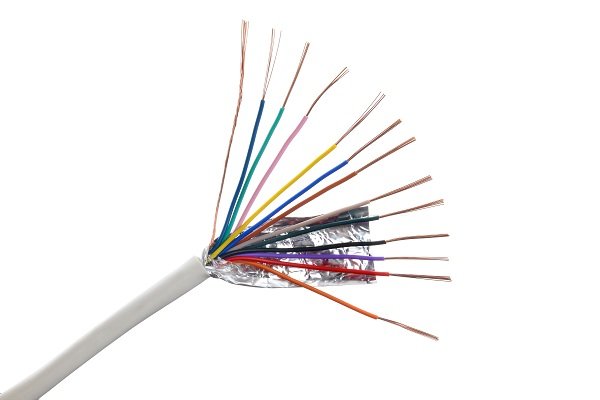
I have developed a systematic approach to verify cable composition:
Visual Inspection Method: Examine the cable packaging and jacket printing. Reputable manufacturers mark CCA cables with "CCA," "Copper Clad Aluminum," or "Al" designation. Pure copper cables show "Cu," "100% Copper," or copper percentage markings. Missing markings raise red flags.
Physical Testing Methods:
| Test Method | CCA Cable Result | Pure Copper Result |
|---|---|---|
| Weight comparison | 30-40% lighter | Standard weight |
| Scratch test | Silver aluminum core visible | Consistent copper color throughout |
| Bend test | Breaks easily with repeated bending | Remains flexible, resists breaking |
| Cut and inspect | Clear copper-aluminum layers | Uniform copper composition |
| Burn test | Aluminum melts at lower temperature | Copper requires higher heat |
The scratch test provides quick results. Use a knife or wire stripper to scrape the conductor surface. Copper coating on CCA cables is thin, usually 0.1-0.3mm. You will see the silver-white aluminum core underneath. Pure copper maintains its reddish-brown color throughout.
Weight difference is significant. A 100-meter roll of 16 AWG CCA cable weighs approximately 6-7 kg. The same length in pure copper weighs 9-10 kg. You can feel this difference when handling the cables.
The bend test reveals brittleness. Bend a cable section back and forth repeatedly. CCA cables become brittle and break after 10-15 bends. Pure copper cables withstand hundreds of bending cycles. This matters for installations requiring cable routing through tight spaces.
For critical purchases, I recommend laboratory testing:
Chemical Analysis: Send cable samples to a materials testing lab. They use spectroscopy or X-ray fluorescence to determine exact composition. This costs $50-150 per sample but provides definitive proof.
Conductivity Testing: Measure resistance per unit length. CCA cables show 40-50% higher resistance than pure copper cables of the same gauge. A simple multimeter can perform this test if you know the expected values.
Density Calculation: Measure a precise cable length, strip the insulation, and weigh the conductor. Calculate density. Copper density is 8.96 g/cm³, aluminum is 2.70 g/cm³. CCA cables show intermediate density values.
I once worked with a procurement manager who received 500 kg of supposedly pure copper cable. The price seemed too good. We performed a scratch test on site. The silver aluminum core appeared immediately. The supplier had mislabeled CCA cables as copper. The procurement manager rejected the shipment and found a reliable supplier.
Some manufacturers use deceptive practices. They mark cables with confusing codes or omit material specifications entirely. Always verify before accepting large shipments. The testing takes minutes but prevents costly mistakes.
What Are the Long-Term Cost Implications of Choosing CCA Over Copper?
Initial price differences create temptation. Total cost of ownership tells the real story.
CCA cables cost 30-50% less initially but require replacement every 3-12 months in typical conditions. Pure copper cables last 15-25 years. Over a five-year period, pure copper cables cost 60-70% less when factoring in replacement labor, downtime, and system failures. The break-even point occurs within 18-24 months for most permanent installations.
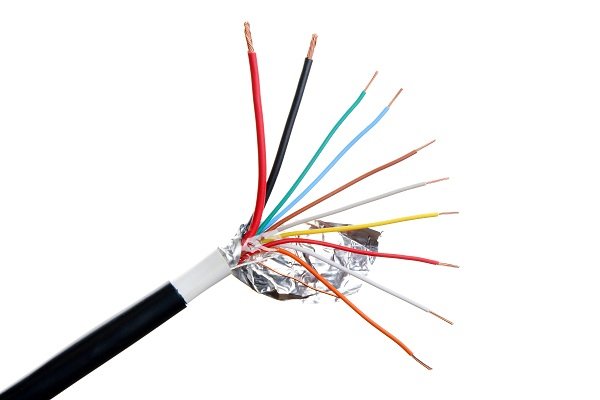
I created a cost analysis model based on real projects:
Initial Investment Comparison (100 meters of 16 AWG cable):
| Cost Component | CCA Cable | Pure Copper Cable |
|---|---|---|
| Cable purchase | $45-60 | $90-120 |
| Installation labor (4 hours) | $200 | $200 |
| Connectors and accessories | $30 | $30 |
| Testing and verification | $50 | $50 |
| Total Initial Cost | $325-340 | $370-400 |
The CCA option saves $45-75 initially. This attracts budget-conscious buyers. However, the calculation changes dramatically over time.
Five-Year Total Cost (same 100-meter installation):
| Cost Component | CCA Cable (replaced 6 times) | Pure Copper Cable (no replacement) |
|---|---|---|
| Cable purchases | $270-360 (6 replacements) | $90-120 (one-time) |
| Installation labor | $1,200 (6 installations × $200) | $200 (one-time) |
| Downtime cost (estimated) | $600 (6 incidents × $100) | $0 |
| Emergency service calls | $450 (3 calls × $150) | $0 |
| System damage from failures | $300 | $0 |
| Total Five-Year Cost | $2,820-2,910 | $290-320 |
The CCA option costs nearly ten times more over five years. This assumes relatively benign conditions. In harsh environments, CCA cables fail even faster.
My Indonesian client provides a real example. Their initial order of 30 km CCA alarm cable cost approximately $4,500. Installation labor cost $3,000. After nine months, the entire system failed. Replacement with pure copper cable cost $9,000 for materials plus $3,500 for labor. Total project cost reached $20,000 instead of the planned $7,500.
The hidden costs accumulate:
Downtime Impact: When security systems fail, sites become vulnerable. My client almost experienced theft. For commercial operations, downtime can cost hundreds or thousands of dollars per hour. A manufacturing facility losing power to critical equipment faces much higher losses than cable replacement costs.
Labor Multiplication: Each replacement requires the same installation effort as the original. Removing failed cables, pulling new cables, making connections, and testing takes time. Labor costs often exceed material costs for cable installations.
Reputation Damage: System failures affect your professional reputation. Clients lose confidence when installations fail repeatedly. This leads to lost future business worth far more than cable cost savings.
Emergency Premium: Urgent replacements cost more than planned installations. Emergency service calls, expedited shipping, and overtime labor add 50-100% to normal costs.
For our manufacturing business, I always recommend pure copper cables to clients. The 30-50% higher initial cost provides insurance against these cascading expenses. Clients appreciate this guidance when they understand the total cost picture.
Some situations justify CCA cables financially. A three-day trade show booth needs temporary power. The installation will be dismantled completely. Using CCA cables saves money without creating long-term problems. The key is matching cable choice to actual usage duration.
I created a simple decision rule: If the installation will exist longer than 12 months, use pure copper. If the environment includes moisture, temperature extremes, or outdoor exposure, use pure copper regardless of duration. If the application involves safety, security, or critical systems, use pure copper without exception.
Conclusion
Pure copper cables cost more initially but deliver superior performance, longevity, and total value for permanent installations. CCA cables serve limited temporary applications only. Choose based on your actual needs, environment, and timeline to avoid costly failures.